Ferrari Furniture Doctor
Furniture Restoration
Furniture restoration goes beyond simple repair. Restoration is about returning a piece to a condition that reflects its original craftsmanship, design intent, and historical value. For antiques and valuable furniture, proper restoration preserves provenance and maximizes longevity while respecting original materials and finishes. Restoration benefits collectors, families, and commercial clients by reviving functional beauty, recovering lost details, and stabilizing materials against future deterioration.
Why Furniture Restoration Matters
What Furniture Restoration Includes
Furniture restoration is a nuanced, methodical process tailored to each piece. Typical elements include:



How Ferrari Furniture Doctor Executes Restoration Projects
Condition Assessment & Documentation
Every restoration project begins with a detailed condition report that documents existing faults, previous repairs, missing elements, and any signs of insect damage or rot. Photographs and written notes create a baseline used to guide restoration decisions.
Key Benefits of Professional Restoration
Historical integrity
Respectful restoration maintains the character and value of period pieces.
Value retention
Proper restoration by skilled craftsmen preserves or enhances market and sentimental value.
Functionality
Restored pieces are structurally sound and usable while retaining historical charm.
Documentation
We provide condition reports and documentation helpful for insurance or resale.
Conservation Ethics & Decision Making
We prioritize methods that conserve original materials. When parts must be replaced, replacements are documented and executed using reversible or clearly differentiated techniques when appropriate. For highly valuable antiques, we discuss minimal intervention to preserve original surfaces and provenance.
Structural Reinforcement
We reinforce frames, reestablish joints, and replace compromised members using species-appropriate wood and joinery. Historically accurate joinery techniques are used for period restorations.
Veneer & Inlay Repairs
Veneer restoration includes:
- Re-adhering lifting veneer
- Creating inlay patches with matched wood species and grain
- Recreating missing marquetry using hand-inlay or modern laser-precision techniques for complex patterns when required
- Tonal blending with stains and shellacs to match surrounding areas
Finish Restoration & Color Matching
We assess whether the original finish should be preserved, consolidated, or sympathetically restored. Options include:
- Gentle cleaning and preservation of original patina
- Color toning and consolidation for stable worn finishes
- Controlled refinishing where previous damage or inappropriate coatings necessitate removal
- Use of shellac, French polish, or historical finishes for authenticity when needed
Hardware & Missing Elements
Missing or corroded hardware is sourced, rehabilitated, or reproduced. When original hardware exists but needs stabilization, we conserve and recondition rather than replace.
Complex Carving & Moldings
For missing carvings, we work with skilled carvers and mold makers to recreate missing details and seamlessly integrate them into the piece.
Special Projects: Museum & Collector Work
For museums and collectors, we provide conservation-friendly solutions and documentation that align with standards for historical preservation. We coordinate with curators and conservators to align restoration decisions with collection policies.
Testing & Quality Control
Restorations undergo staged testing for adhesion, finish matching, and load-bearing integrity. We involve clients in approval points where aesthetic decisions are critical.
How Restoration Differs from Refinishing
Refinishing focuses primarily on surface aesthetics — stripping and applying new finish. Restoration addresses structural integrity, historical features, and holistic conservation needs. Often restoration includes refinishing as part of a broader plan, but always with the piece’s history and value at the center.
Common Restoration Scenarios
Victorian-era cabinet with veneer loss
Process: Carefully remove unstable veneer fragments, create inlay patches, apply appropriate adhesive, color-tone, and finish using shellac and traditional toning techniques.
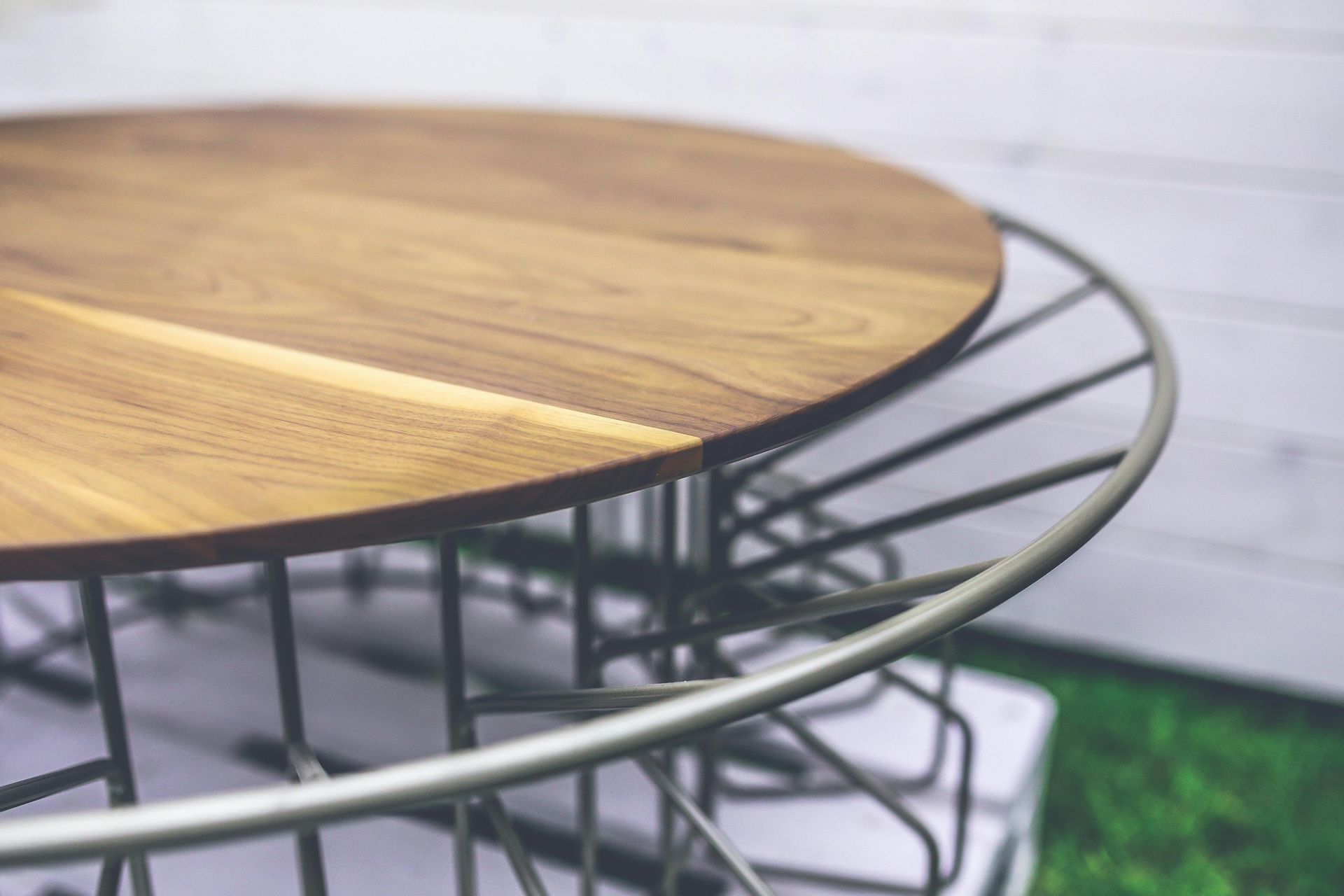
Heirloom dining table with water ring and cracked top
Process: Stabilize the top, fill minor cracks with color-matched fillers, restore grain using appropriate staining and finish to blend repairs with original surface.
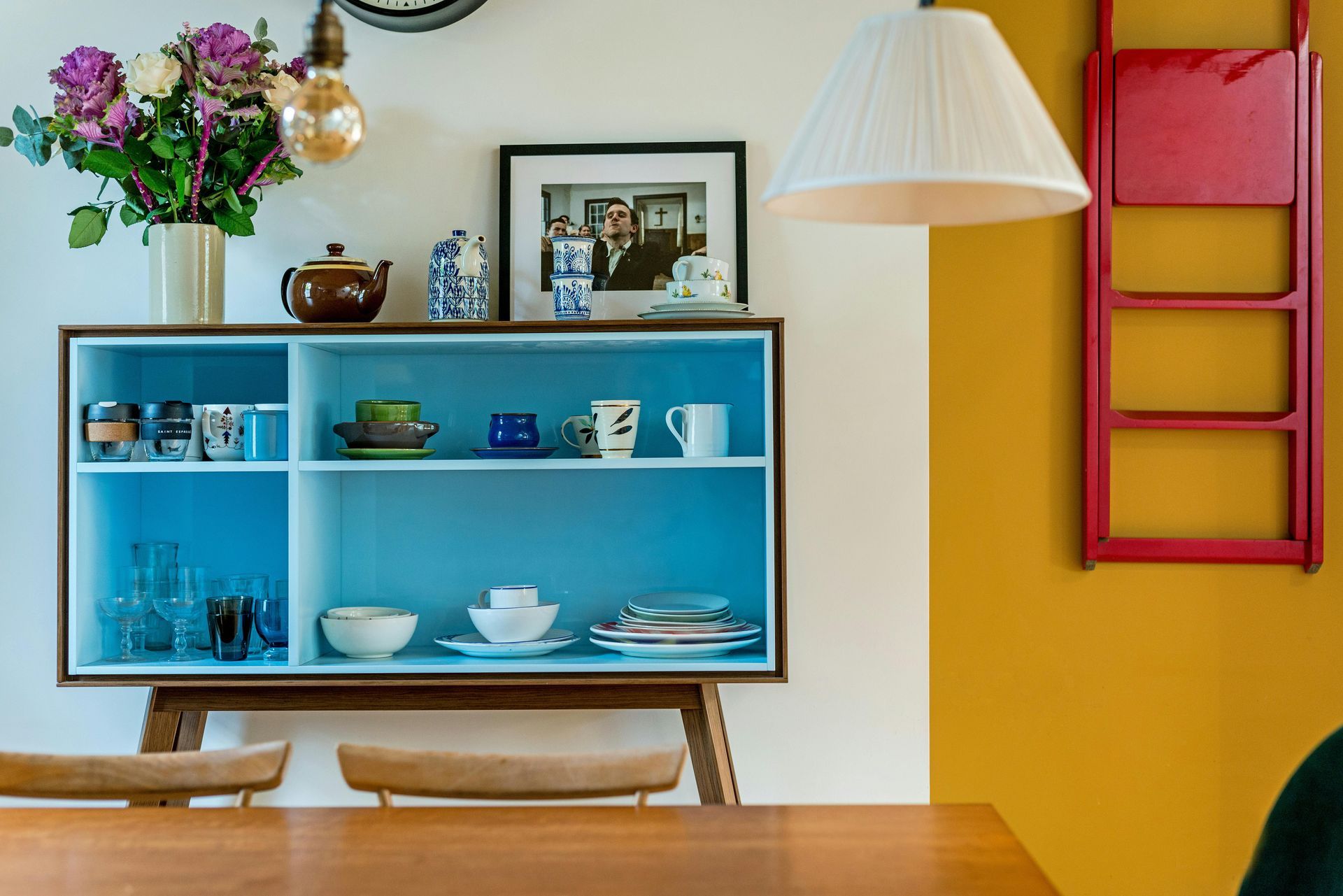
Restoring a retro mid-century piece
Process: Preserve original factory finish where possible; where damaged, match lacquer or conversion varnish color and sheen to maintain period appeal.
Pricing & Timeline
Restoration pricing varies widely based on complexity and historical importance. A written estimate will include:
- Itemized labor and materials
- Rationale for recommended methods
- Estimated timeline with key milestones
- Documentation for insurance and provenance
Care After Restoration
To protect restored pieces:
- Keep in climate-stable conditions; avoid humidity extremes.
- Use protective pads and coasters to prevent future surface damage.
- Schedule gentle cleaning and maintenance as recommended.
Frequently Asked Questions (FAQs)
Is restoration appropriate for all antiques?
Restoration is appropriate when it preserves value and stability. For highly valuable museum pieces, minimal intervention is sometimes preferred. We consult with owners and, if necessary, outside conservators.
Will restoration affect resale value?
Appropriate, well-documented restoration typically preserves or increases resale value. Poorly executed restoration can reduce value, which is why expert craftsmanship matters.
Do you provide before-and-after documentation?
Yes. Our restorations include photographic documentation, condition reports, and a summary of materials and techniques used.
Can original finish ever be preserved?
Often the original finish can be cleaned and consolidated. We evaluate finish condition and recommend the least invasive method that achieves stability and visual integrity.
Contact & Booking
To discuss a restoration project, call (630) 253-1090 or visit our shop at 14 Tiverton Court, Algonquin, IL 60102. Provide photos and any historical information you have; we’ll schedule a detailed evaluation and prepare a restoration plan and estimate.